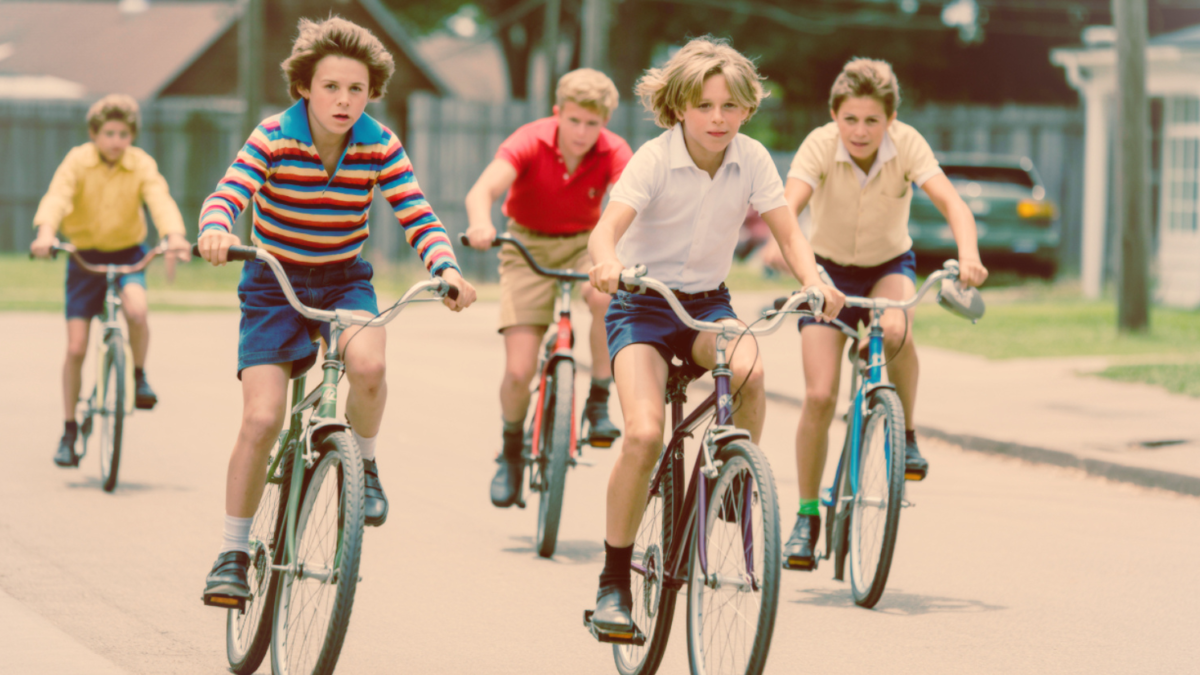
As the middle child in a family of five during Ohio’s 1960s, my days were filled with simple freedoms. My dad pulled double factory shifts, while Mom made every penny count. We kids explored the neighborhood freely until dusk signaled home time.
Today’s youth face a world of screens, structured schedules, and constant oversight—far removed from our unscripted adventures. Psychologists now highlight how our generation cultivated unique psychological strengths amid social shifts and hands-off parenting that modern standards might question.
Not claiming the past was perfect, but these life lessons from the 1960s and 70s equipped us to tackle adversity, setbacks, and life’s raw edges. Let’s dive into the nine enduring insights backed by research.
1. Boredom Sparked Endless Creativity
Summers meant vast stretches of unstructured time—no apps, camps, or playdates. When we’d whine about nothing to do, parents simply said, “Figure it out.”
What felt like abandonment was actually genius. Studies from the Child Mind Institute reveal boredom fosters problem-solving, planning, and adaptability by engaging the brain’s creative circuits.
We turned sticks into swords, boxes into castles, and idle hours into epic tales. This self-entertainment honed our ability to thrive in quiet, a resilience tool I still use amid retirement’s calm.
- Imaginative play without gadgets built cognitive flexibility.
- Daydreaming enhanced focus and innovation.
- Sustained boredom tolerance combats today’s distraction overload.
2. Failure’s Bite Built True Grit
Striking out at baseball tryouts brought no ribbons—just parental nods to the hurt, then a push forward. “Life’s not always fair” was wisdom, not dismissal.
This approach instilled that flops are temporary. Psychology research shows kids who face failure without overprotection gain coping skills and self-assurance from rebounds.
Job losses, market dips, and relational storms later? I bounced back, vaccinated by early stings against viewing one loss as destiny.
Such experiences wired resilience deeply, proving grit blooms from authentic struggle, not shielding.
3. Patience Was Everyday Reality
A coveted bike? Earn it over months of chores. TV episodes? Weekly waits only. Info hunts? Library treks required.
Pre-digital life demanded delayed gratification, echoing Walter Mischel’s marshmallow test. Those who waited excelled long-term in health, academics, and happiness.
No instant streams or deliveries sharpened executive function—impulse control and goal pursuit. This life lesson endures, fueling persistence in a swipe-happy era.
- Slow rewards strengthened willpower.
- Effort-based gains boosted satisfaction.
- Modern shortcuts erode this vital muscle.
4. Free-Range Play Forged Independence
Our playgrounds grew from yard to streets, ruled by peer codes. Tree climbs, rickety forts, and squabbles taught real-world navigation sans adult refs.
Scientific American backs this: unsupervised play cultivates social savvy, stress management, and bold decision-making.
Negotiation, alliances, and self-defense emerged organically—lessons deeper than any lesson plan. Risk tolerance from these escapades underpins lifelong confidence.
5. Self-Reliance Filled Adult Gaps
Parents adored us but prioritized their lives. Latchkey necks held house keys; we snacked solo, tackled homework independently.
This bred self-reliance, now praised by experts for nurturing inner strength and resourcefulness.
Grandkids’ hyper-scheduled worlds spark concern—what autonomy do they forfeit without solo problem-solving?
Short bursts of solitude taught us to trust our instincts, a cornerstone of emotional maturity.
6. Raw Consequences Shaped Empathy
Grandpa’s passing? Full funeral immersion—tears, raw sorrow unfiltered. Pets’ ends were witnessed, not whisked away.
Seeming tough love revealed life’s cycles. Observing adult recovery from grief proved human durability beyond facades.
Mom’s later loss echoed this: loss is navigable, urging proactive love-sharing. Early realism armored us for adulthood’s heartaches.
- Unvarnished reality tempers expectations.
- Empathy grows from shared vulnerability.
- Resilience stems from witnessing rebounds.
7. Scarcity Bred Ingenuity
One roast fed days; Dad DIY-ed fixes; thrift was pride, not shame.
Constraint sparked creativity—survival morphed into innovation. Studies affirm limits hone adaptability over abundance.
Today’s plenty dulls this edge, but our era’s hacks persist in crises, turning “less” into inventive mastery.
8. Observation Trumped Lectures
Dad’s dawn-to-dusk toil spoke volumes on diligence. Grandparents’ bootstraps modeled perseverance silently.
Social learning theory validates modeling: absorbed behaviors outlast words. Daily glimpses of integrity, choices, and fortitude shaped us subliminally.
With grandkids, I prioritize example—respect, poise in trials—as the truest curriculum.
Actions imprint indelibly, forging character through lived ethos.
9. Neighborhood Bonds Wove Security
Neighbors parented collectively—scolds from Mrs. P for trespasses, reports from Mr. J on risks.
This community fabric instilled belonging, mutual accountability. We sensed our role in a bigger tapestry.
Isolation today pales against this; our interconnected upbringing fueled social thriving via obligations and aid.
Key Takeaways for Modern Life
The 1960s-70s weren’t flawless—safety nets were thinner, biases unchecked. Yet, erased were boredom’s gifts, failure’s forge, kids’ innate capabilities.
Our resilience arose organically from unpolished existence, not engineered programs. Replicating exactly? Unneeded. Reviving essences—patience, independence, grit—via balanced freedoms? Essential.
Reflect: Which childhood echoes propel you? Share below—these timeless life lessons bridge generations, reminding us difficulty forges strength.
In a curated age, reclaiming unfiltered growth promises empowered futures. Psychology urges: trust kids’ potential, embrace messiness, harvest enduring rewards.
What are the 9 life lessons from 1960s and 70s childhoods?
How does boredom benefit child development according to psychology?
Why is delayed gratification important?
What role did unsupervised play play in building resilience?
Can modern parents apply these lessons today?
