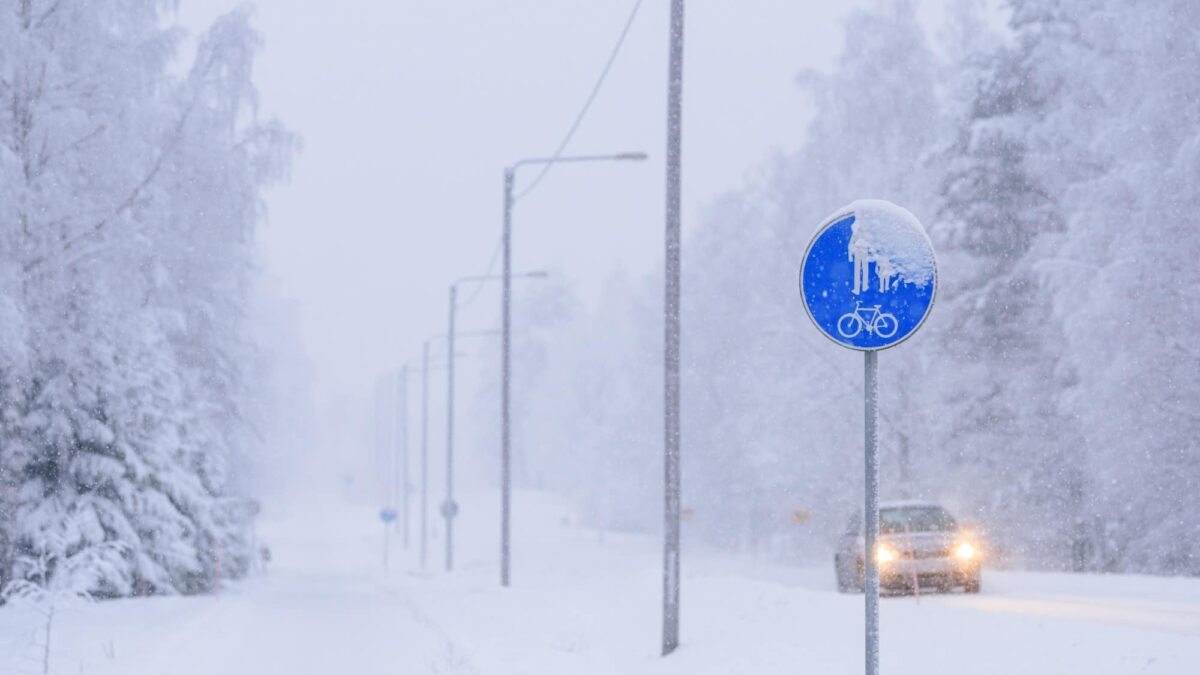
As the first flakes of heavy snow tease the evening sky, a tense atmosphere grips communities across the region. Weather warnings flood notifications, with officials pleading for residents to skip non-essential trips, even as local businesses strive to keep doors open and operations running. This push-pull between urgent safety calls and economic necessities poses a classic winter dilemma for drivers, employees, and store owners alike.
Expect a substantial snowfall of six to ten inches overnight, coupled with plummeting temperatures that breed dangerous black ice and poor visibility. Emergency teams are gearing up with plows, while police issue clear directives: only vital journeys warrant hitting the roads. Supermarkets teem with panic buyers stocking essentials, and delivery services plot paths, highlighting the tightrope walk between prudence and persistence.
Understanding the Approaching Snow Threat
The incoming heavy snow isn’t a mere flurry—it’s set to upend routines dramatically. Major highways risk quick buildups sparking skids and multi-car crashes, while neighborhood streets become snow-clogged dead ends. Lessons from past storms paint a grim picture: helpless drivers stuck overnight, rescue crews stretched thin, and preventable wrecks from ignoring forecasts.
Local leaders have ramped up to full warnings, saturating media with pleas like “Stay put unless essential.” This coordinated effort from cops, highway patrols, and weather experts seeks to dodge the gridlock and hazards of previous blizzards, where bold motorists ended up in ravines or clogging response lines.
Turn to real-time resources for an edge. Apps tracking traffic and radar updates can flag shutdowns or backups early, empowering you to pivot plans before snow strands you.
Key Risks Highlighted by Officials
- Rapid snow buildup leading to zero visibility and black ice formation.
- Increased accident rates from underprepared vehicles and overconfident driving.
- Overloaded emergency services delaying help for true urgencies.
Business Operations Clash with Safety Warnings
Even as pleas for clear roads echo, retail and service spots buzz with activity. Shoppers swarm for bread, dairy, and shelf-stable foods as gusts intensify outside. Managers juggle staffing schedules, debating shutdowns against dipping sales in a cutthroat economy.
Workers face a stark choice: forfeit wages by staying home or gamble with treacherous commutes. Employers contend with staffing gaps and loyal customers, frequently choosing to prolong hours. This standoff reignites the ongoing tug-of-war between business as usual and smart risk avoidance.
Smart moves can ease the strain for everyone involved.
- Monitor alerts closely: Use local broadcasts, navigation apps like Waze, and government notifications for road updates.
- Shop strategically: Secure supplies early to avoid storm-eve rushes and shortages.
- Plan alternatives: Opt for remote work, carpooling in rugged vehicles, or delivery services.
Essential Checks Before Hitting the Road
Pause for a reality check prior to ignition. Probe yourself: Is this trip unavoidable? Am I equipped for worsening conditions round-trip? Are others counting on my arrival?
These questions often spotlight hidden dangers. Seasoned winter drivers may brush off alerts, but snowstorms strike fast—worn tires lose grip, wipers clog, and gas gauges plummet in blizzards. Officials share tales from recent seasons: ghost cars littering shoulders, rescues postponed amid call floods.
One dispatch sums it up: “Delay non-essentials—we prefer quiet lines over late-night ice extractions.” Preparation trumps bravado every time.
Vehicle Readiness Must-Dos
Treat drives like missions, not whims. Review live webcams instead of stale apps, and clear all windows thoroughly. Set firm bailout rules: bail at two inches accumulated or when views blur.
- Emergency kit basics: Charged phone, warm blankets, shovel, fluids, energy bars, light source, and sand for traction.
- Mechanical checks: Top off fuel, verify winter-rated tires, test heaters and scrapers.
- Communication plan: Share itinerary, ETA, and check-in times with trusted contacts.
Adopt defensive habits too: crawl at reduced speeds, use headlights, brake progressively. These tactics tame threats into navigable challenges, protecting yourself and fellow road users.
Navigating Workplace Pressures During Storms
Offices and shops signal “open for business” with glowing signs, clashing against airwave shelter pleas. Staff weigh paycheck hits against crash odds, especially in standard sedans battling whiteout winds.
Small outfits struggle hardest—closing means lost peak revenue, but crashes erode trust. Decisions blend predictions, finances, and intuition, spawning compromises like phased staffing or excused absences.
Communities rally in response: four-wheel-drive offers emerge, managers greenlight virtual setups, families pivot to contactless orders. Heavy snow lays bare priorities, valuing human welfare over balance sheets.
Proven Work-Storm Balance Tips
Broach flexibility talks with bosses proactively—surprisingly many adapt seamlessly. Leverage peer networks for shared rides or deferred duties. Revisit those pivotal queries to banish second-guessing, cementing safety first.
| Key Action | Benefits | Your Edge |
|---|---|---|
| Assess trip urgency | Targeted questions | Cuts rash decisions |
| Prep vehicle fully | Real-time scans, kits | Blocks failures |
| Align work-safety | Employer talks, supports | Sustains pay safely |
Embracing Proactive Readiness for Storm Success
As dusk fades into raging flurries with heavy snow taking hold, preparation proves the game-changer. Areas tuned into warnings report fewer incidents; equipped people weather it unscathed. Nimble businesses build loyalty through adaptability.
Winter blasts build grit—sift facts from frenzy, trust data and gut. Morning reveals cleared routes for the wise, routines rebounding stronger. Choose savvy tonight for triumphs tomorrow.
Ultimately, this heavy snow episode underscores timeless truths: prioritize protection, embrace adaptability. Follow guidance, outfit thoroughly, communicate openly. Your choices ripple—guard yourself, support others, master the storm whole.
Should I head to work if officials say avoid roads but my job stays open?
What must-haves go in my car for heavy snow travel?
Will bosses dock pay for skipping drives in bad weather?
How to inform my employer I’m uneasy driving without looking flaky?
If travel is unavoidable, how to cut risks in heavy snow?
